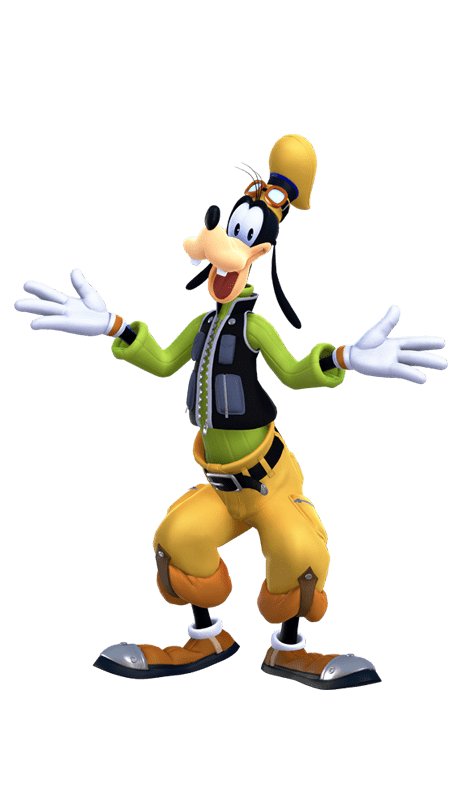
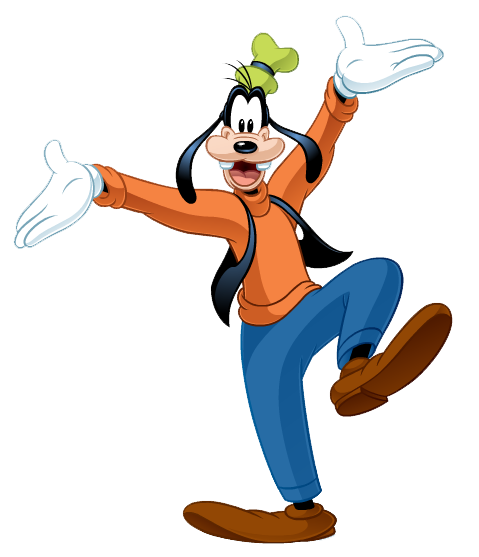
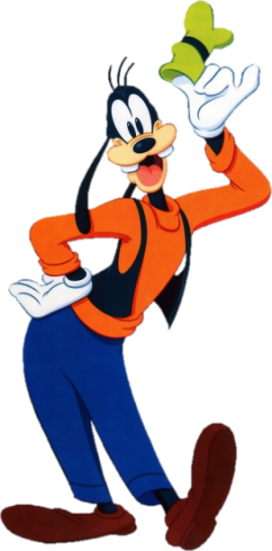
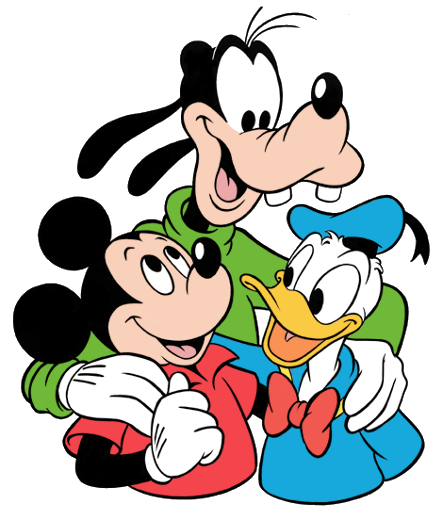
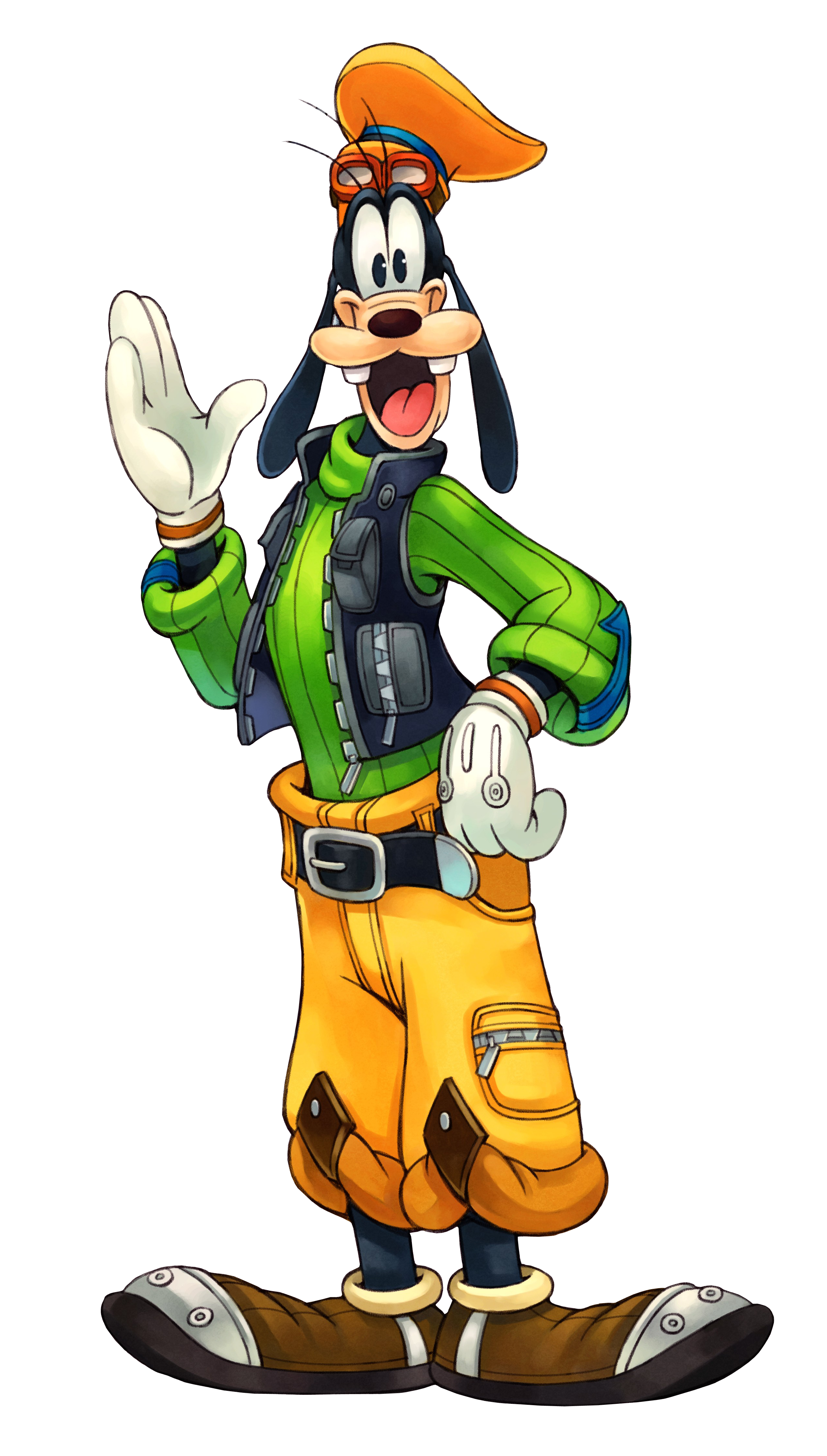
🐾 Who Is This Lovable Lunkhead?
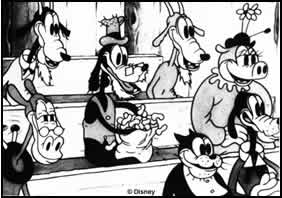
Before he was known across the globe as Goofy, this tall, floppy-eared cartoon dog went by a much more delightful name: Dippy Dawg. Created by the animators at what was then the Walt Disney Studio, Dippy Dawg shuffled onto the scene in the early 1930s as a background character — basically a funny-looking dude in the crowd doing something ridiculous while everyone else tried to get on with their day.
He wasn't a hero. He wasn't a sidekick yet. He was just... a guy. A very, very clumsy guy with the best laugh in animation history.
📅 From Dippy to Goofy: The Timeline
🎤 That Voice. Oh, That Voice.
Much of what makes Dippy Dawg Dippy Dawg is the voice — that rolling, foghorn-meets-barnyard holler immortalized by voice actor Pinto Colvig, who performed the character from the early days through the 1960s. Colvig was a circus clown, actor, musician, and cartoonist before landing at Disney, and he brought a performer's understanding of physical comedy to every syllable.
After Colvig, a succession of talented actors kept the voice alive across generations, each one honoring the original while making it their own. The laugh — that unmistakable A-hyuck! — has never changed. Some things are sacred.
🐶 Wait... Is He a Dog? Or a Human?
Here it is. The question that has divided playgrounds, sparked family dinners, and fueled philosophy majors since the 1930s: What exactly IS Goofy?
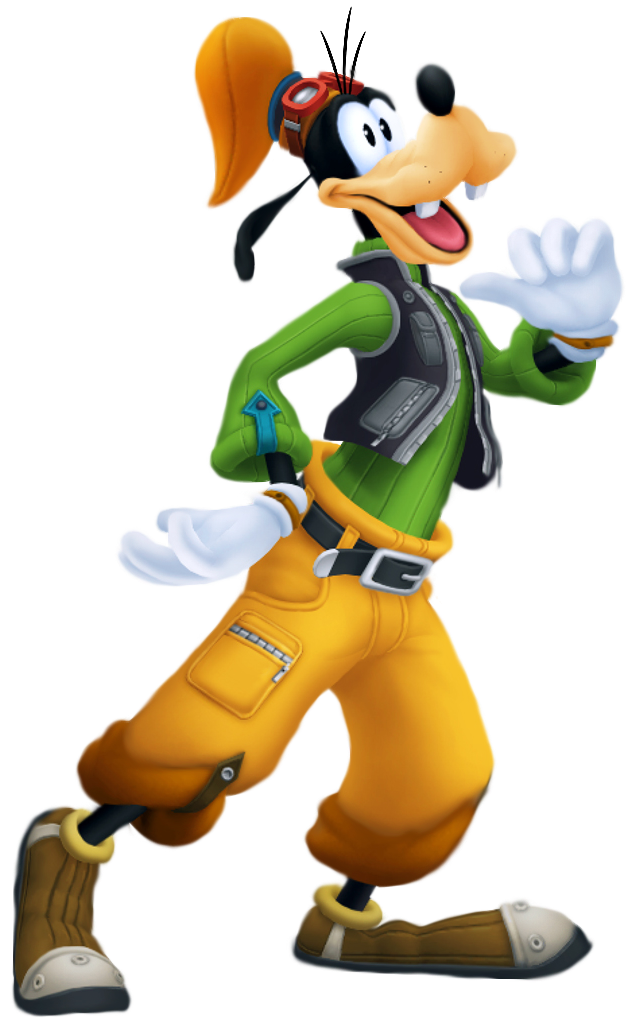
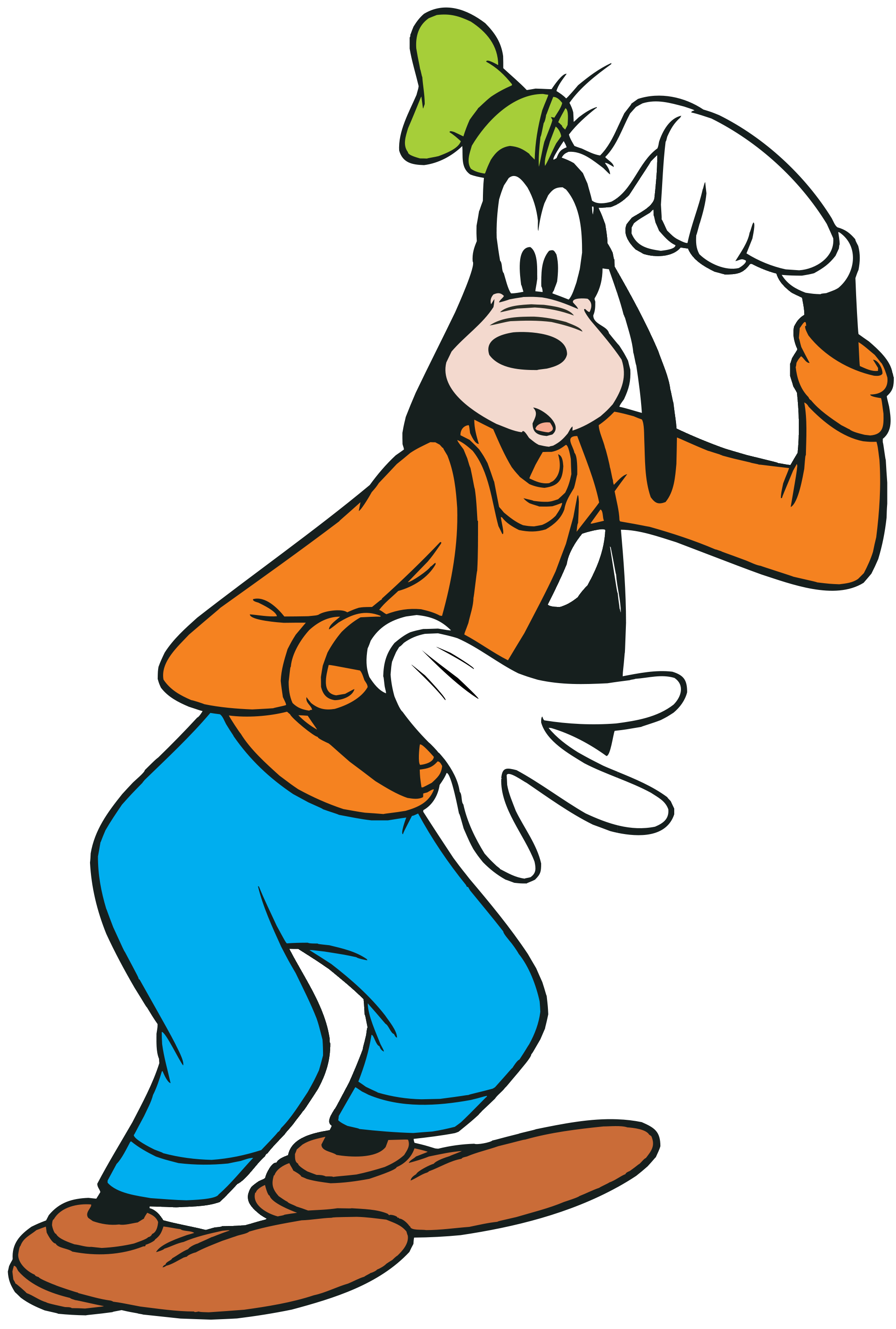
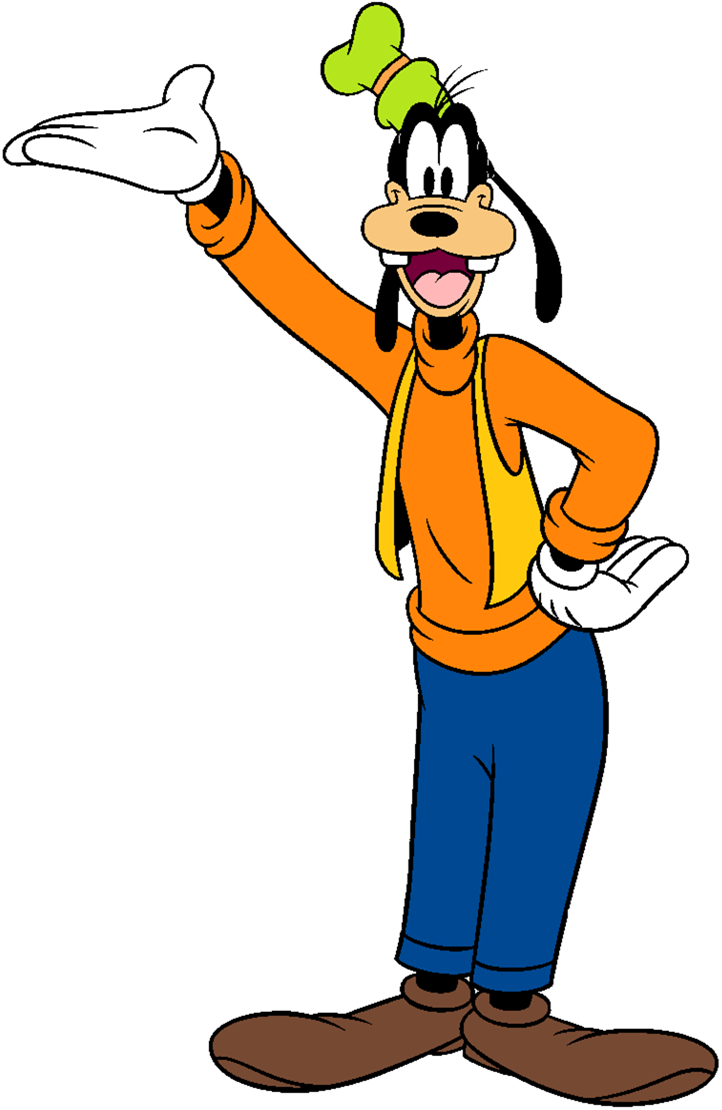
He walks upright. He has a job. He drives a car (badly). He raises a kid. He pays bills. He is, by every societal definition, a person. And yet — floppy ears, a dog nose, and a name that started as Dippy Dawg.
The official word from the studio has always been that he is, in fact, an anthropomorphic dog — a dog character who lives and functions in the world as a human would. Which raises its own questions when you realize Mickey has a pet dog named Pluto who walks on all fours and can't talk. The Disney universe has a complicated relationship with canine civil rights and nobody wants to touch that one.
🏆 Why Dippy Dawg Matters
In a world of slick, superhero-adjacent cartoon protagonists, Dippy Dawg/Goofy was something radical: a lovable failure. He was the character who tried his absolute best and still somehow ended up upside-down in a hedge. He didn't have Mickey's plucky courage or Donald's volcanic temper — he had sincerity and optimism that no amount of slapstick could dent.
Animator Art Babbitt, who helped develop the character, reportedly wrote a detailed character study describing Goofy as someone who was "not too bright" but possessed of a "sunny disposition" and an earnest desire to do right by everyone around him. That document is considered one of the earliest examples of formal character-bible writing in animation history.
He wasn't cool. He wasn't sophisticated. He was just real — and that's exactly why nearly a century later, we're still talking about him.
⚡ Quick Facts About Your Favorite Dawg
Dippy Dawg's first appearance is generally attributed to the 1932 short Mickey's Revue, where he laughed annoyingly in the audience.
Voice actor Pinto Colvig was a real-life circus clown before lending his pipes to Dippy Dawg's iconic yodel-laugh.
Goofy's son Max became a fan favorite, eventually starring in his own theatrical film in 1995 — giving Goofy legitimate movie-dad credentials.
The "how-to" short series from the 1940s is still taught in film schools today as an example of brilliant structural comedy writing.
Goofy is known by different names worldwide: Pateta in Brazil, Dingo in France and Spain, and Pippo in Italy.
Animator Art Babbitt wrote a character bible for Goofy in the 1930s — one of the earliest formal character studies in animation history.